
Marine Safety for Offshore Projects: Life Rafts, Fire Systems & Selection Guide
How to choose marine safety equipment for offshore projects? Life rafts, fire systems and reliable solutions.
ABOUT ZYNCOPRA
Zyncopra Blog Team
4/18/20265 min read
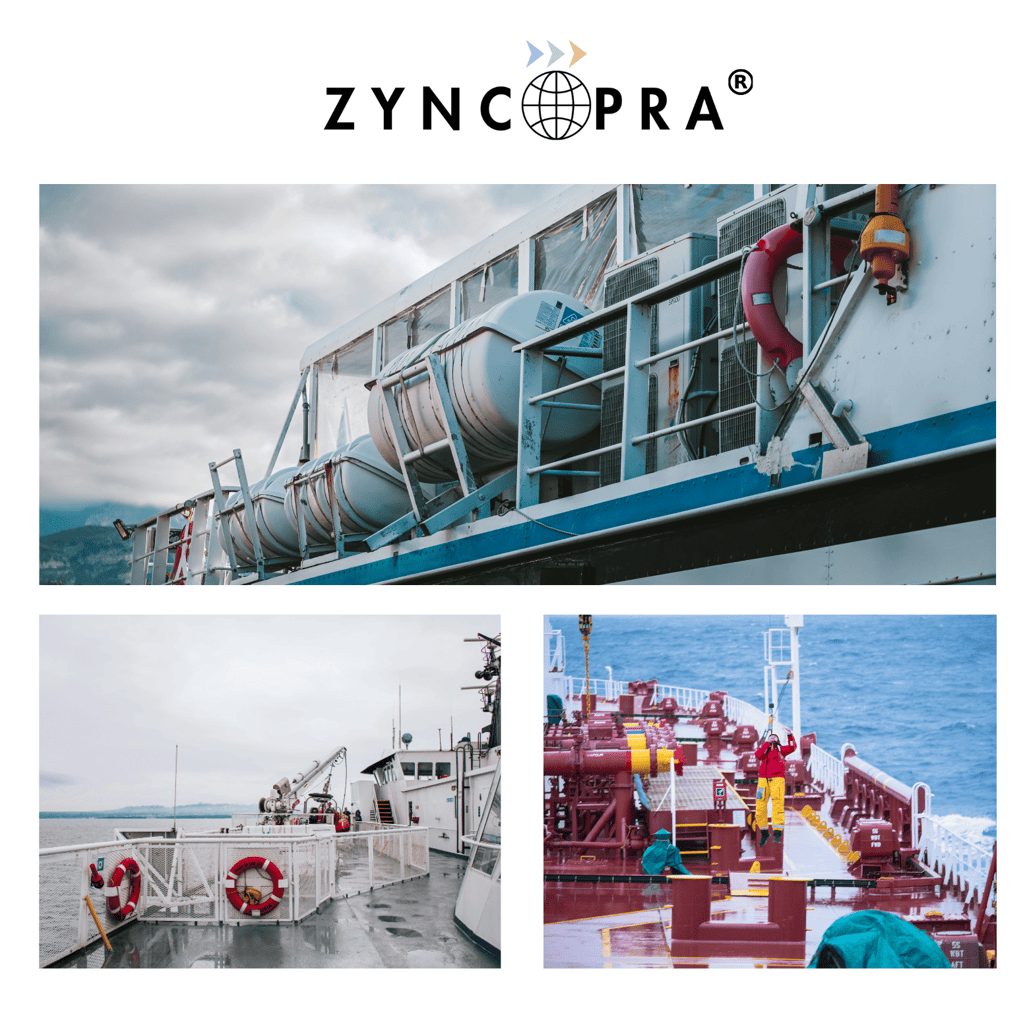
Marine Safety for Offshore Projects: Life Rafts, Fire Systems and Proper Equipment Selection
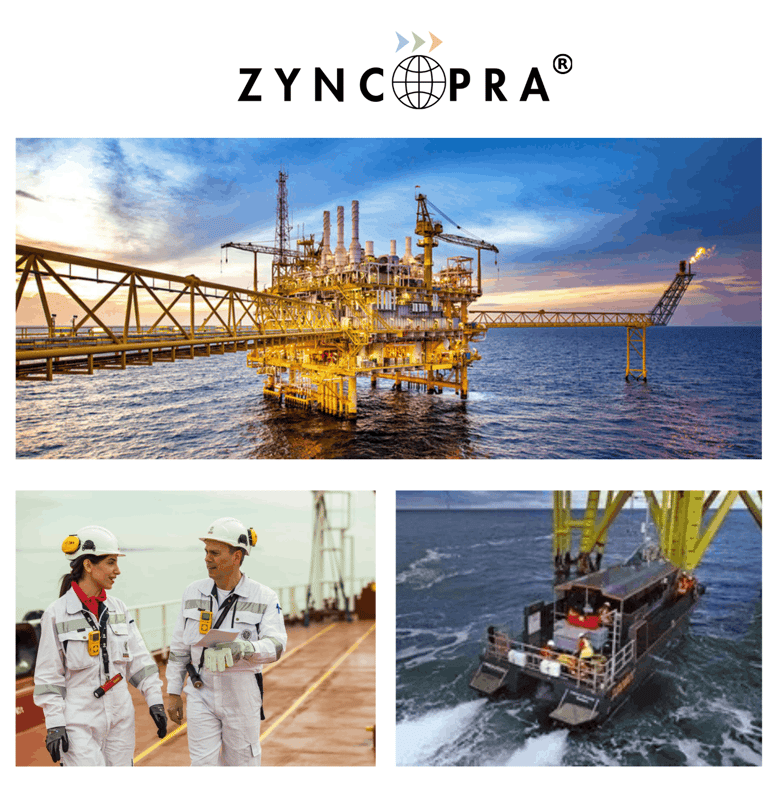
Offshore operations operate under conditions that are fundamentally different from land-based environments. Limited response capabilities, unpredictable weather conditions, and high-risk working areas make safety not just a procedural requirement, but a core element of operational management.
For this reason, safety equipment used in offshore projects should not be selected solely to meet regulatory requirements. It must be chosen to perform reliably in real-world scenarios. From life rafts to fire protection systems, each component plays a critical role within an integrated safety chain.
Selecting the right equipment—and ensuring these systems work together seamlessly—directly contributes to protecting human life while maintaining operational continuity.
Why Is Safety So Critical in Offshore Projects?
Offshore and marine operations are environments where risk is always present. Harsh sea conditions, sudden weather changes, limited emergency response capabilities, and the need for uninterrupted operations make safety not just a procedural requirement, but a core element of operational management.
In such environments, even minor issues can quickly escalate into major incidents. In situations such as fire, equipment failure, or emergency evacuation, the performance and reliability of safety equipment can make a critical difference.
For this reason, safety equipment in offshore projects should:
not be treated as a simple checklist requirement
be selected based on real operational scenarios
be planned to perform reliably when it is needed most
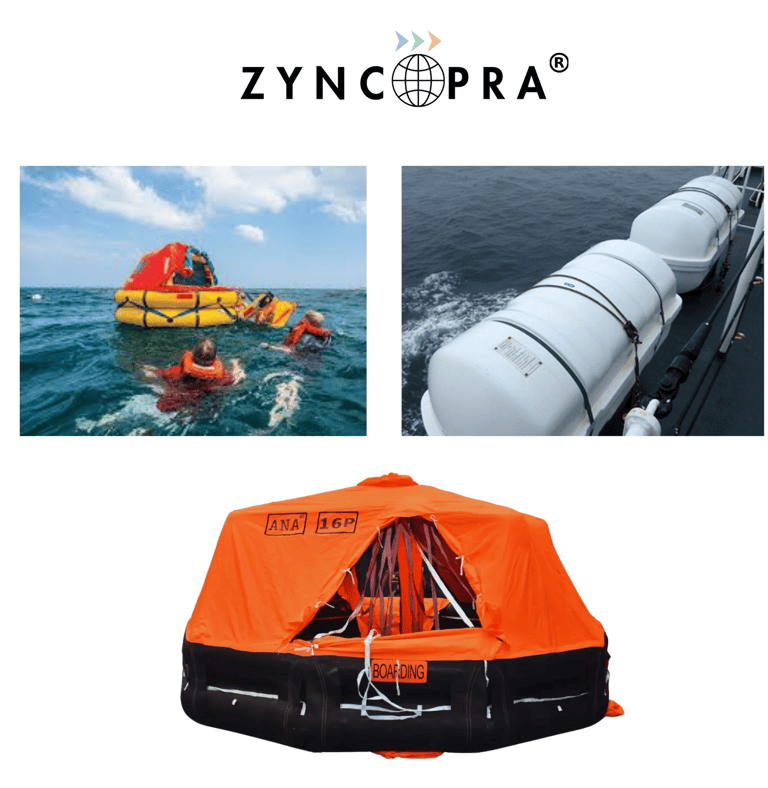
Life Rafts: The Most Critical Means of Escape
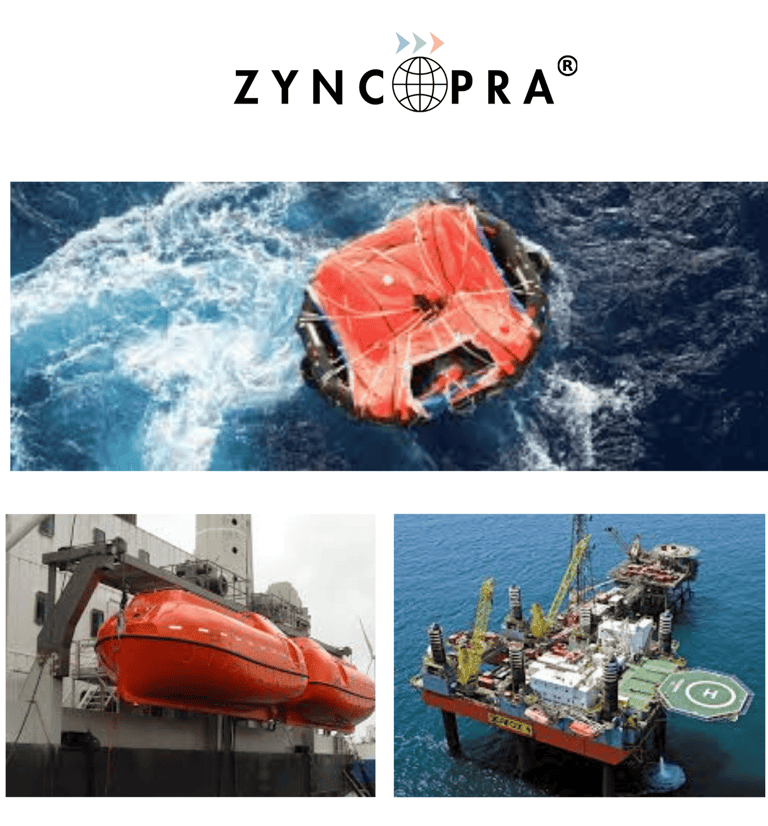
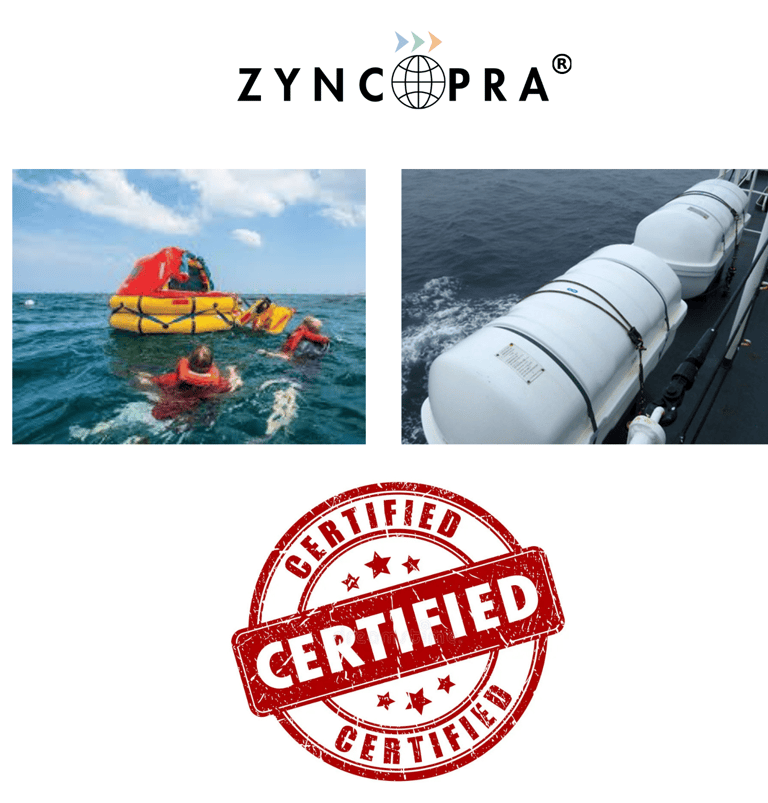
Life rafts are one of the most essential components of marine safety systems. However, they are often perceived simply as a “mandatory requirement.”
In reality, a life raft is:
a system that ensures personnel survival in emergency situations
deployed at the most critical moment of an operation
a solution with no real alternative
In cases such as fire, vessel abandonment, severe weather conditions, or unexpected system failures, a properly selected and correctly positioned life raft can be the difference between life and loss.
Key Considerations When Selecting a Life Raft
Capacity aligned with the number of personnel
Deployment type (throw-overboard or davit-launched systems)
Compliance with international standards (SOLAS, etc.)
Durability under harsh marine conditions
Fast and reliable deployment
The critical point is simple:
A life raft may remain unused for years.
But when it is needed, it must function flawlessly.
Fire Safety Systems: The Most Critical Risk in Offshore Environments
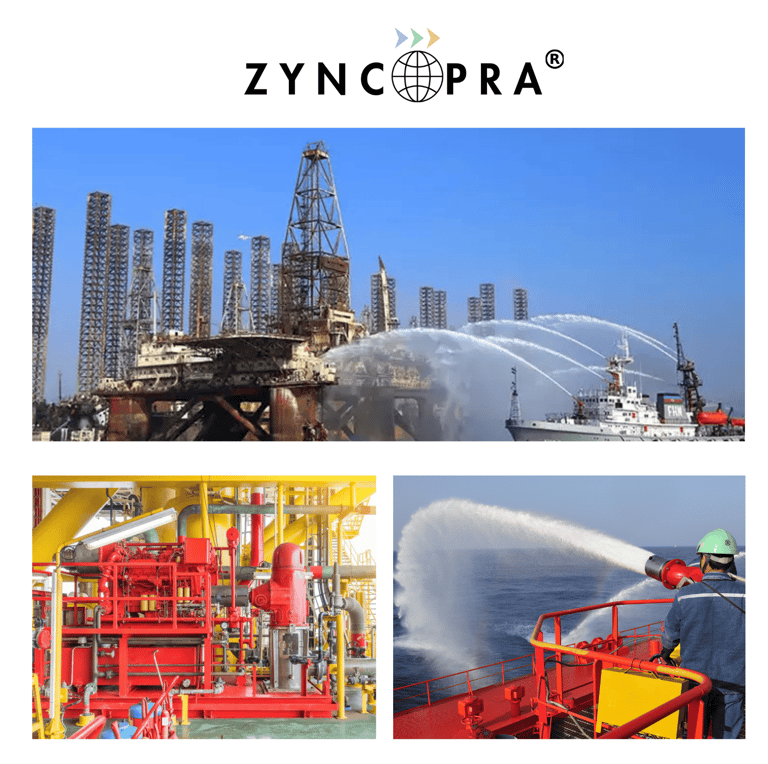
Fire is widely considered one of the most significant risks in marine and offshore operations. This is not only due to the presence of flammable materials, but also because of the limited response capabilities in offshore conditions.
The combination of fuel systems, electrical infrastructure, and confined spaces further increases the severity of fire risks. For this reason, fire safety solutions should not follow a standard, one-size-fits-all approach. Instead, they must be evaluated and designed based on the specific requirements of each project.
Common Fire Safety Equipment in Offshore Projects
Portable fire extinguishers
Foam-based systems for fuel-related fires
Fire-resistant protective equipment
However, the key factor is not the list of equipment, but selecting the right combination.
Each project has a unique risk profile and requires a tailored fire safety strategy aligned with its operational conditions.
True Safety: An Integrated Systems Approach
One of the most common mistakes in offshore projects is evaluating safety equipment as separate, independent items.
In reality, safety in offshore environments works as a coordinated system:
one system detects and triggers an alarm
another responds and controls the incident
another ensures safe evacuation
In simple terms:
Life rafts = evacuation
Fire systems = response
Protective equipment = prevention
Real safety is achieved only when these elements work together seamlessly.
Advantages of an Integrated Safety Approach
Faster emergency response
Reduced operational risks
Improved operational continuity
The Right Sourcing Is as Important as the Right Equipment
One of the most common mistakes in marine safety procurement is evaluating the process based solely on price and delivery time.
In reality, what truly matters is:
how the equipment performs under real operating conditions
whether its certification is valid and compliant with relevant standards
how well it aligns with the specific requirements of the project
how effectively the supplier manages the overall process
A poorly selected product can result in a system that fails at the most critical moment.
This is not just a cost issue—it represents a serious operational risk.
Zyncopra’s Approach: Solution-Driven, Not Product-Focused
At Zyncopra, we do not view marine safety equipment as just another product category.
Our approach is based on:
understanding the project in detail
accurately analyzing specific requirements
matching the right solutions with reliable manufacturers
By connecting Türkiye’s strong manufacturing capabilities with international projects, we provide a fast, transparent, and reliable sourcing process.
Our goal is not simply to supply products, but to support the safe and sustainable execution of every project we are involved in.
Conclusion: Safety Is Not a Detail—It Is the Foundation of Operations
In offshore projects, safety is not a checklist added at the end—it is a system that must be designed correctly from the very beginning. Even minor issues in open-sea conditions can escalate rapidly due to limited response capabilities. For this reason, every piece of equipment is not just a technical component, but part of a critical responsibility.
Evacuation systems such as life rafts, fire safety solutions, and protective equipment are not independent elements; they are interconnected parts of a single safety chain. A weakness in any part of this chain can directly impact the effectiveness of the entire system.
Selecting the right equipment goes beyond meeting technical specifications. It requires understanding real operational scenarios, the nature of the project, and how all systems function together. This is why safety in offshore projects should be approached as a system—not just a collection of products.
At the same time, the sourcing process is just as important as equipment selection. Working with reliable manufacturers, ensuring proper certification, and maintaining transparent communication throughout the project significantly reduce operational risks.
A well-structured safety setup does more than fulfill a requirement. It also:
ensures uninterrupted operations
minimizes costly risks
provides long-term reliability and sustainability
Success in offshore projects is not only about having the right equipment, but also about positioning and managing these systems effectively.
When safety works, it often goes unnoticed.
But when it fails, its impact is always felt.