
Oil Spill Recovery System: Marine Oil Spill Response Equipment and Technologies
A comprehensive guide to oil spill recovery systems, containment booms, skimmers, transfer pumps and marine oil spill response equipment used in offshore operations.
ABOUT ZYNCOPRA
Zyncopra Blog Team
3/14/20267 min read
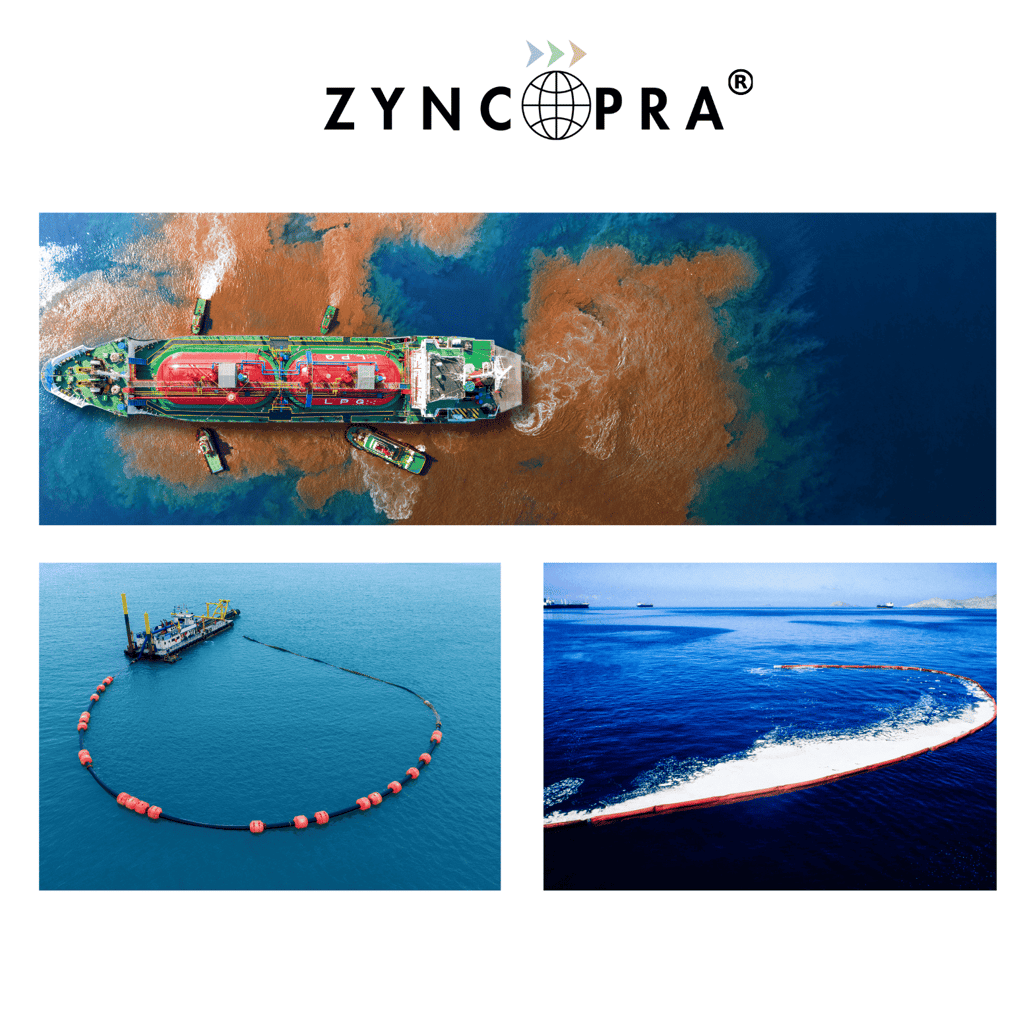
What is an Oil Spill Recovery System?
Marine Oil Spill Response Systems in Modern Maritime Operations
Maritime transportation, offshore energy production, and port operations are among the most critical components of the global economy. However, these activities also carry significant environmental risks. One of the most serious threats is oil and hydrocarbon spills, which can rapidly spread across large areas of the sea and cause long-term damage to marine ecosystems.
For this reason, oil spill recovery systems have become an essential safety and environmental protection infrastructure in modern marine operations.
An oil spill recovery system refers to the integrated set of equipment and technologies designed to detect, contain, recover, and safely store oil and hydrocarbon pollutants that spread on the surface of the water. These systems enable rapid response to marine pollution incidents and help minimize environmental impact while protecting coastal ecosystems, marine wildlife, and critical infrastructure.
In large-scale maritime operations, oil spill response capability is not only an operational requirement but also a regulatory necessity. Many international maritime authorities and environmental regulations require vessels, terminals, and offshore facilities to maintain adequate spill response preparedness.
Oil spill recovery systems are commonly deployed in the following environments:
Port and harbor operations
Tugboats and salvage vessels
Offshore oil and gas platforms
Petroleum storage terminals
Oil tanker operations
Coastal industrial facilities
Today, numerous international maritime authorities, including port administrations and environmental protection agencies, require operators to maintain effective oil spill response capabilities. Facilities that lack adequate spill containment and recovery systems may face operational restrictions, regulatory penalties, or suspension of activities.
For this reason, investing in reliable marine oil spill recovery systems is considered a fundamental part of responsible maritime operations and environmental protection strategies worldwide.
Marine Pollution and the Impact of Oil Spills
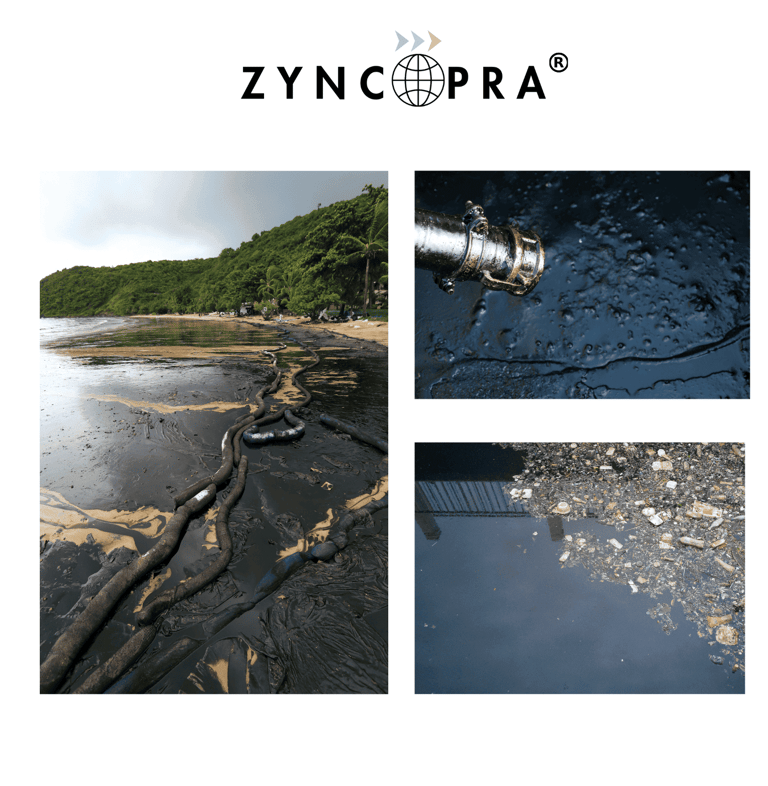
Oil spills are considered one of the most serious environmental risks in the maritime industry. During an oil spill incident, hydrocarbons spreading across the sea surface can cause significant damage both to marine ecosystems and coastal environments.
The main impacts include:
Ecological Impacts
A layer of oil on the sea surface blocks oxygen transfer between the atmosphere and the water, threatening marine life. Fish, seabirds, and plankton are among the species directly affected by oil pollution.
Economic Impacts
Oil spills can disrupt critical economic activities such as fisheries, tourism, and port operations. In many cases, the cost of cleanup operations can reach millions of dollars.
How Does an Oil Spill Recovery System Work?
An oil spill recovery system enables the mechanical recovery of oil from the sea surface. The core operating principle is based on the following steps:
Containing and isolating the oil spill area
Mechanically recovering oil from the water surface
Pumping the recovered oil through transfer systems
Storing the collected oil in temporary storage tanks
During these operations, the different components of the system work together to prevent the oil from spreading further into the marine environment.
Oil Spill Recovery System Equipment
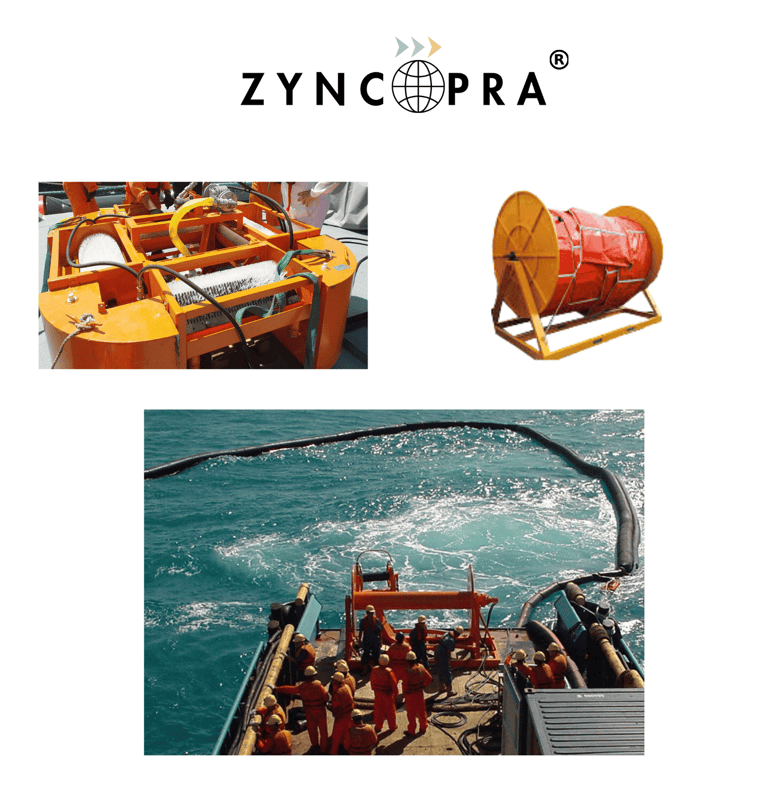
An oil spill recovery system consists of integrated equipment designed to quickly contain and recover oil and hydrocarbon spills from the sea surface. Modern marine spill response systems combine multiple equipment groups to prevent the spread of pollution, mechanically recover oil from the surface, transfer the collected hydrocarbons, and apply chemical treatment when necessary.
In most marine spill response operations, the equipment used in oil spill recovery systems can be categorized into four main groups:
Containment Equipment (equipment used to prevent the spread of oil)
Recovery Equipment (equipment used to collect oil from the water surface)
Transfer Equipment (pumping and transfer systems used to move recovered oil)
Support & Operational Equipment (auxiliary systems used during spill response operations)
By operating together, these equipment groups enable fast and effective response to oil spill incidents and help minimize environmental impact in marine environments.
1. Oil Containment Boom
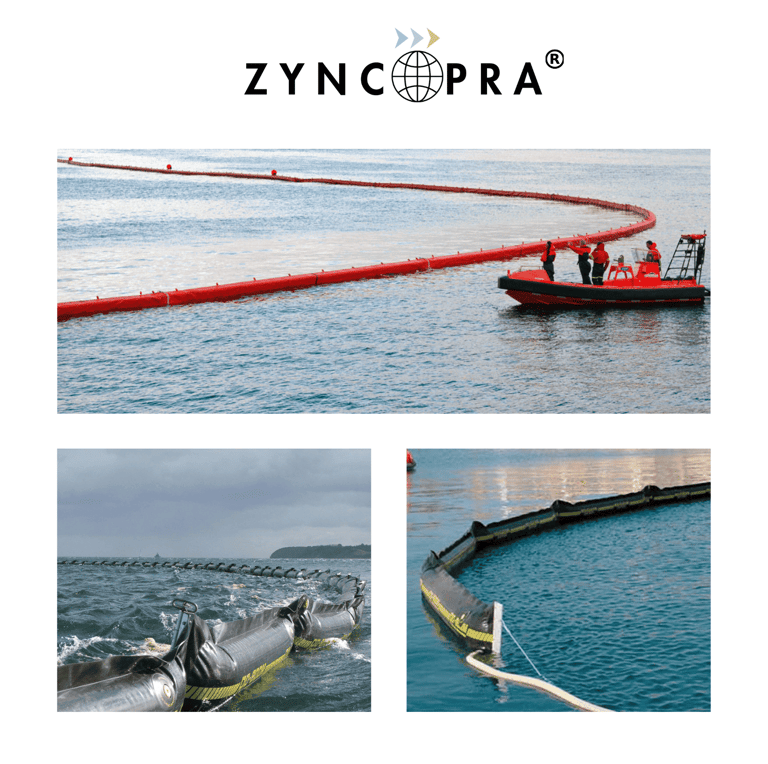
Oil containment boom systems are the primary response equipment used to control oil spills on the sea surface. These floating barriers prevent oil from spreading over large areas and allow oil skimmer equipment to operate more efficiently during recovery operations.
Heavy-duty containment booms used in marine spill response systems are typically constructed with multi-layer synthetic rubber materials. This structure provides the barriers with:
High tensile strength
Strong abrasion resistance
Durability against sunlight and seawater exposure
Chemical resistance to oil and hydrocarbons
An oil containment boom system generally consists of the following components:
Buoyancy chambers (floating air chambers)
Skirt system (subsurface barrier preventing oil from escaping underneath)
Ballast chain (stabilizing chain for vertical positioning)
Connection hardware and steel anchoring points
Heavy-duty containment boom systems are widely used in port operations, offshore spill response operations, and tugboat-assisted oil recovery activities. These systems are typically designed for rapid deployment and quick recovery, allowing emergency response teams to react quickly to oil spill incidents.
2. Oil Skimmer Systems
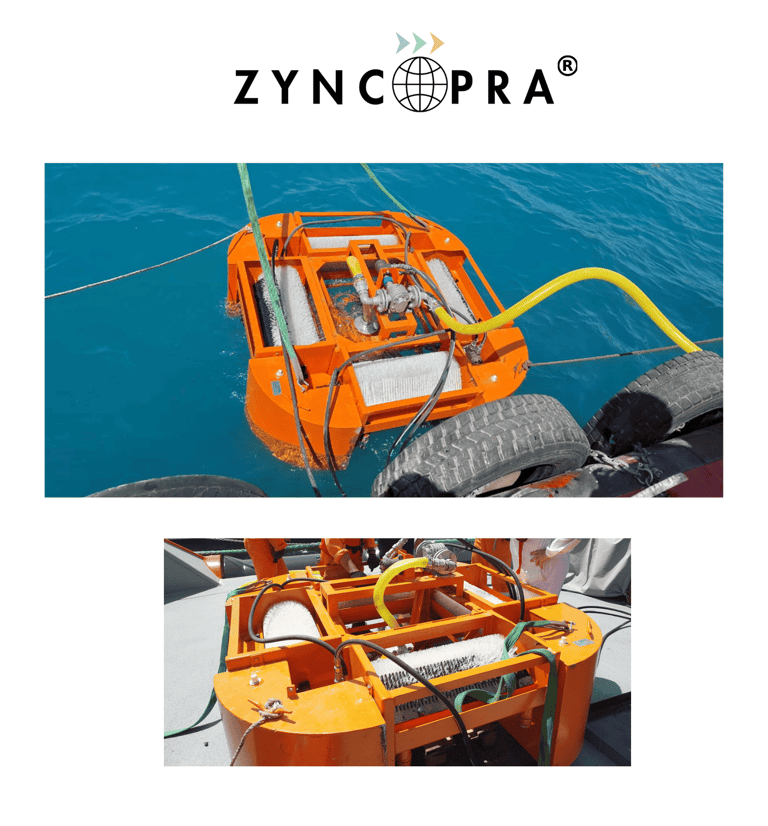
Oil skimmer systems are among the most critical pieces of equipment used in oil spill response operations. These systems mechanically separate and recover oil from the water surface by removing the floating oil layer.
Modern oil skimmer systems are designed with a modular structure to handle different oil viscosities and typically use the following technologies:
Brush modules
Disc modules
Drum modules
In these systems, oil adheres to rotating surfaces and is then scraped off by a mechanical wiper mechanism, directing the recovered oil into a central collection sump.
Floating skimmer systems offer several key operational advantages:
Ability to operate in shallow waters due to low draft
High buoyancy-to-weight ratio
Low inertia mass for stable operation
Suitable for offshore, port, and coastal environments
Medium-sized skimmer systems can achieve a recovery capacity of approximately 50 m³ of oil per hour, depending on oil viscosity and sea conditions.
3. Oil Transfer Pumps
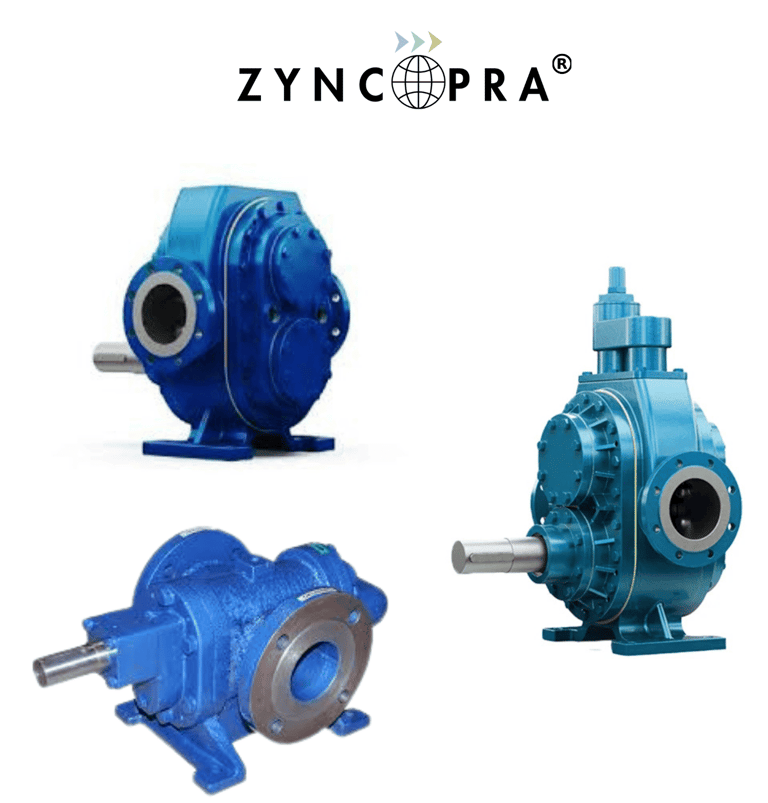
High-capacity transfer pumps are used to move the oil–water mixture collected by skimmer equipment into storage tanks.
Pumps used in marine oil spill recovery operations are typically based on positive displacement pump technology. These pumps provide high performance when transferring high-viscosity oils, which are common in many spill response scenarios.
The main advantages of these pumps include:
High viscosity transfer capability
Strong offloading performance
High pressure resistance
Easy maintenance and service access
Industrial oil recovery pumps can generally achieve transfer capacities of up to 60 m³ per hour, depending on the pump configuration. They can be used either as part of the skimmer recovery system or as independent transfer pumps for offloading recovered oil to storage tanks or transport systems.
4. Dispersant Spray Systems
In some oil spill response scenarios, chemical dispersants may be applied in addition to mechanical recovery methods.
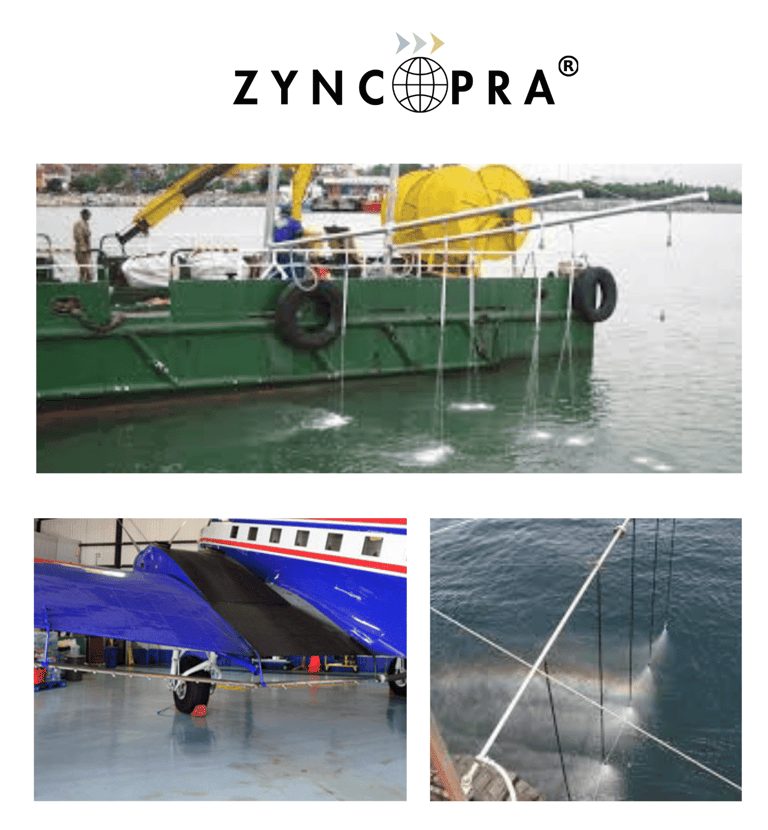
Dispersant spray systems break the oil layer into small droplets, allowing the oil to disperse into the water column. This method is particularly used in offshore operations and large-scale oil spill incidents.
A typical dispersant spray system generally consists of the following components:
Diesel or electric motor-driven pump system
Dispersant and seawater mixing unit
Vessel-mounted spray arms
Specialized atomizing nozzle system
Spray arms are usually installed on the sides of a vessel and are designed to distribute the dispersant evenly across the water surface. These systems can be adjusted according to different application rates and typically provide a dispersant mixture capacity of approximately 100 liters per minute.
5. Oil Boom Deployment & Handling Equipment
Various operational tools are used to enable the rapid deployment and recovery of containment boom systems during oil spill response operations.
These typically include:
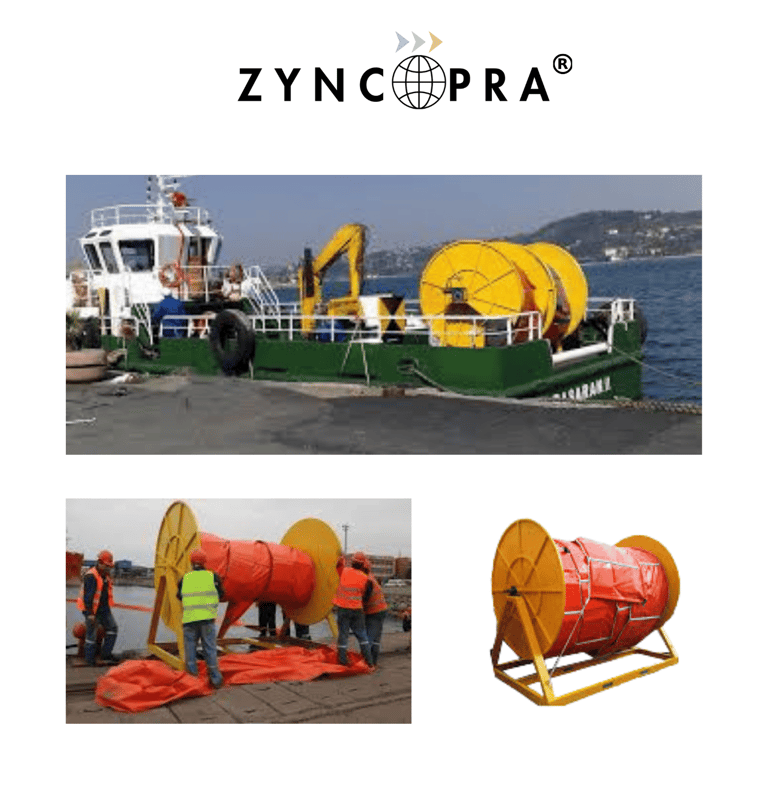
Boom reels (boom storage and winding drums)
Tow sets and towing equipment
Handling hook systems
Air blower equipment
Boom reel systems are generally equipped with hydraulically driven drum mechanisms, allowing oil containment booms to be safely stored, deployed, and retrieved during operations. These systems are typically designed for easy transportation and handling, making them compatible with forklift or crane lifting operations.
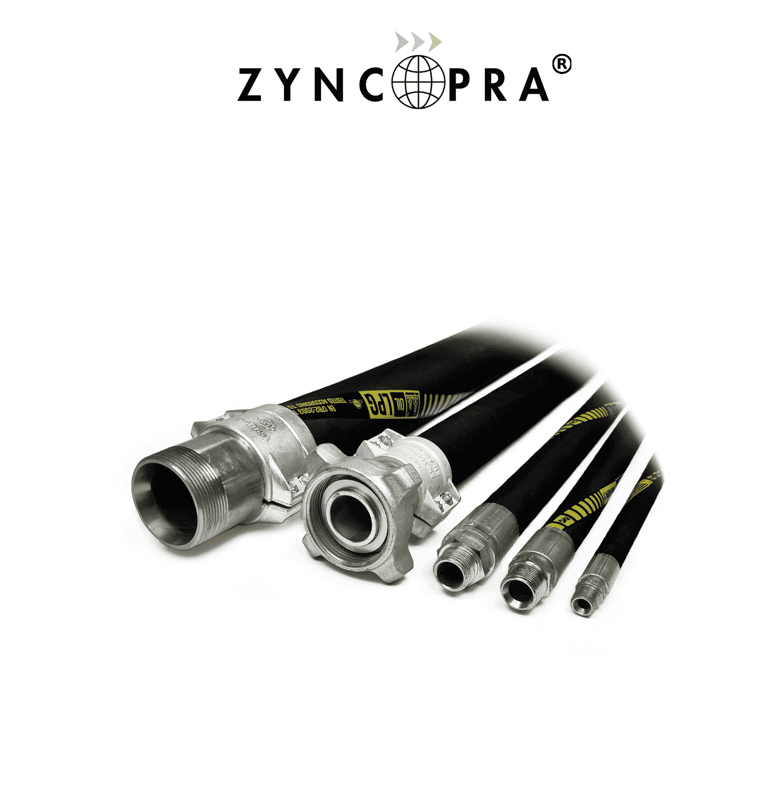
6. Transfer Hoses and Hydraulic Lines
Specialized hose systems are used in oil spill recovery operations to enable both oil transfer and the operation of hydraulic equipment.
These hoses typically feature:
High-pressure resistant rubber construction
Corrosion resistance suitable for marine environments
Resistance to oil and chemical exposure
Transfer hoses are used to transport recovered oil to storage tanks, while hydraulic hoses supply the power required to operate skimmer units and pump systems during spill response operations.
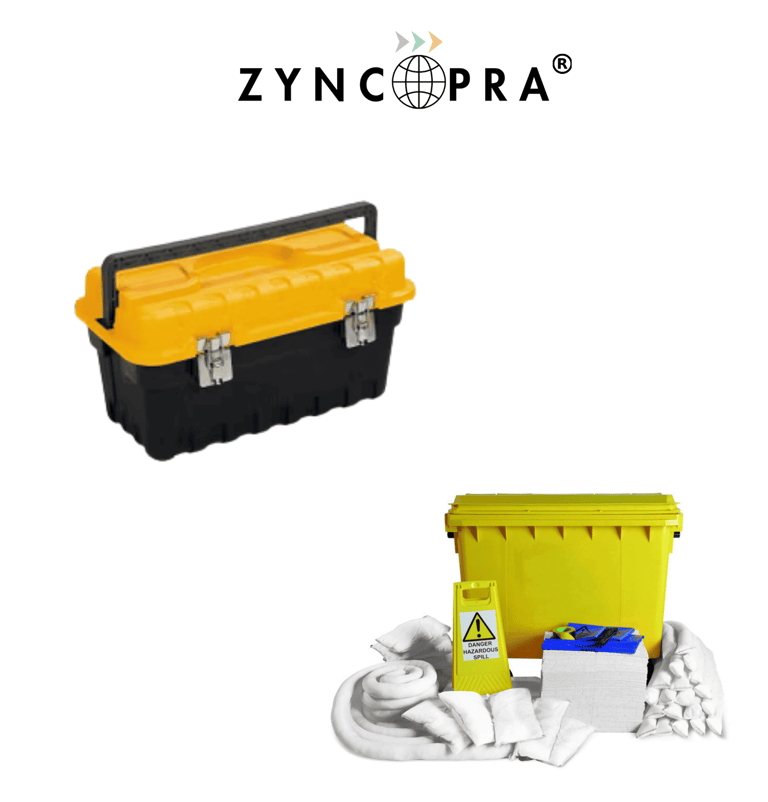
7. Operational Support Equipment
Various auxiliary tools and components are also part of an oil spill recovery system, ensuring that response operations are carried out safely and efficiently.
These typically include:
Maintenance and repair kits
Hydraulic connection equipment
Operational hand tools
Such equipment plays an important role in maintaining continuous and reliable system performance, particularly during extended oil spill response operations.
Marine Equipment Supply from Türkiye
Türkiye has become an important hub for marine equipment and industrial system manufacturing. The country’s strong engineering capabilities, competitive production infrastructure, and growing export capacity make it a reliable sourcing location for international marine and offshore projects.
Turkish manufacturers are particularly strong in the following areas:
Marine pumps
Firefighting systems
Filtration systems
Industrial equipment
Cable management systems
Oil spills remain one of the most critical environmental risks in the maritime industry. For this reason, response systems such as oil spill recovery systems are essential for ports, tugboat operators, and offshore facilities.
Selecting the right equipment, maintaining rapid response capability, and working with reliable suppliers play a crucial role in ensuring the sustainability and safety of marine operations.
As environmental safety regulations and operational responsibility standards continue to rise worldwide, oil spill response systems have become an indispensable part of modern maritime infrastructure.
At Zyncopra, we collaborate with reliable Turkish manufacturers and coordinate technical sourcing processes for international projects. This approach allows us to develop project-specific solutions and ensure more efficient communication between manufacturers and clients.
As a trusted solution partner, Zyncopra is ready to add value to your projects with reliable sourcing and technical coordination.