
What Is Aluminum Composite Panel (ACP)? A Complete Guide for Modern Facade Projects
Learn what aluminum composite panels (ACP) are, their applications, fire ratings, panel thickness options, coating systems, and how to choose the right ACP solution for modern facade projects.
ABOUT ZYNCOPRA
Zyncopra Blog Team
6/7/20265 min read
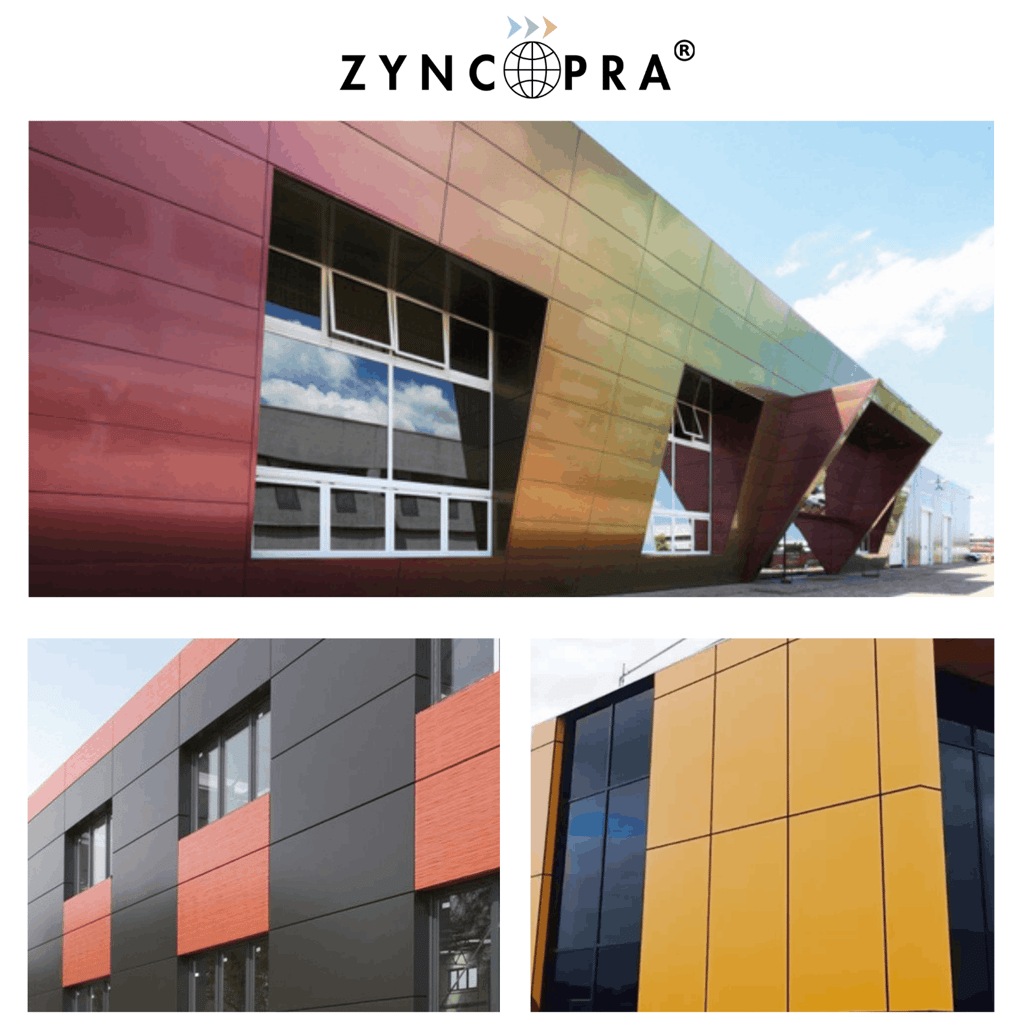
What Is Aluminum Composite Panel (ACP)? A Comprehensive Guide for Modern Facade Projects
Today, architectural projects are evaluated not only by their aesthetic appearance but also by factors such as energy efficiency, fire safety, long-term durability, and maintenance costs. For this reason, the materials used in facade systems play a critical role in the overall success of a project.
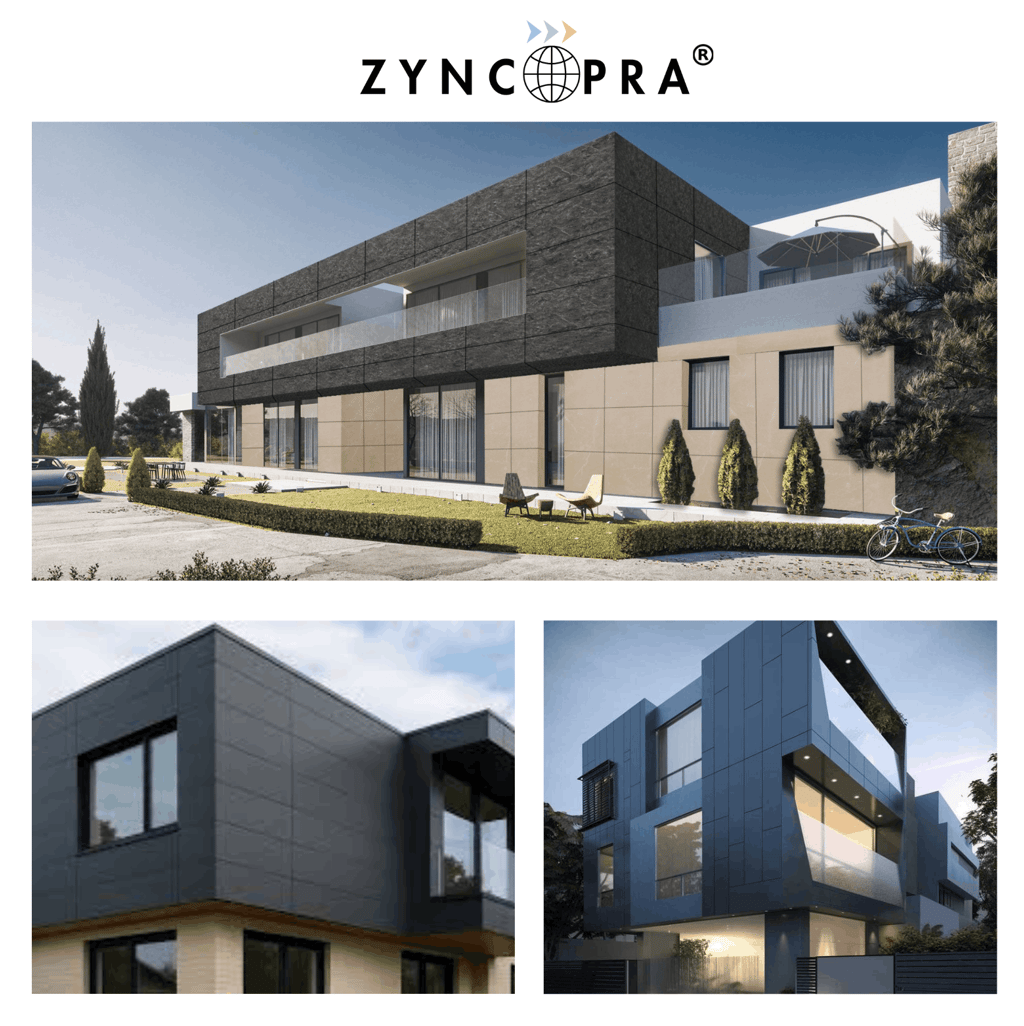
One of the most widely preferred solutions in recent years is the Aluminum Composite Panel (ACP) system, which can be found in a wide range of applications, from shopping malls and hotels to airports and commercial office buildings.
ACP systems are especially popular in modern facade projects across Dubai, Abu Dhabi, Doha, Riyadh, London, and many European cities, where architects and developers seek a combination of contemporary design, durability, and high performance.
What Is Aluminum Composite Panel (ACP)?
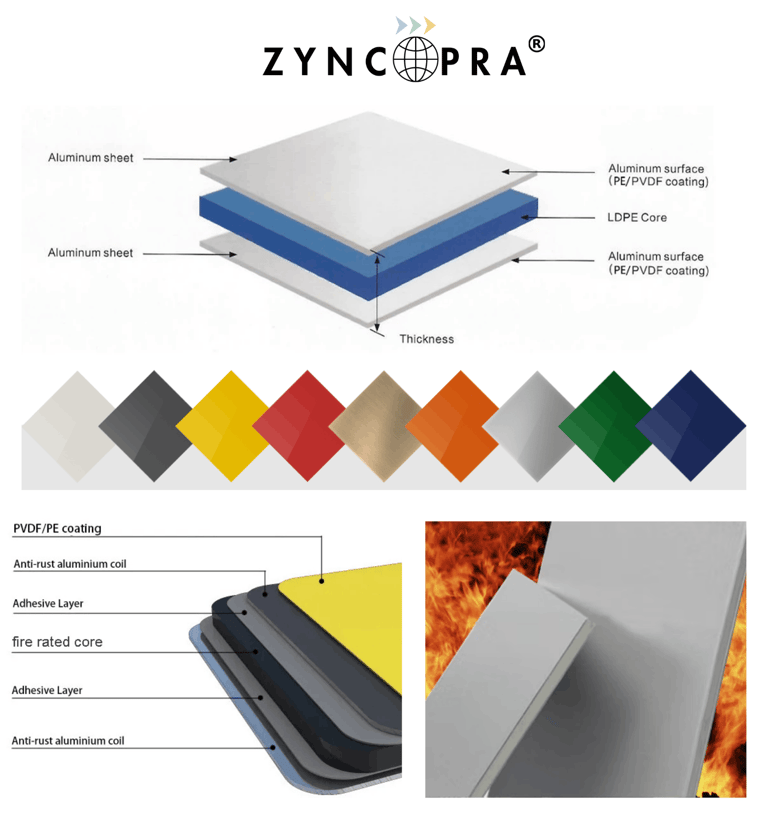
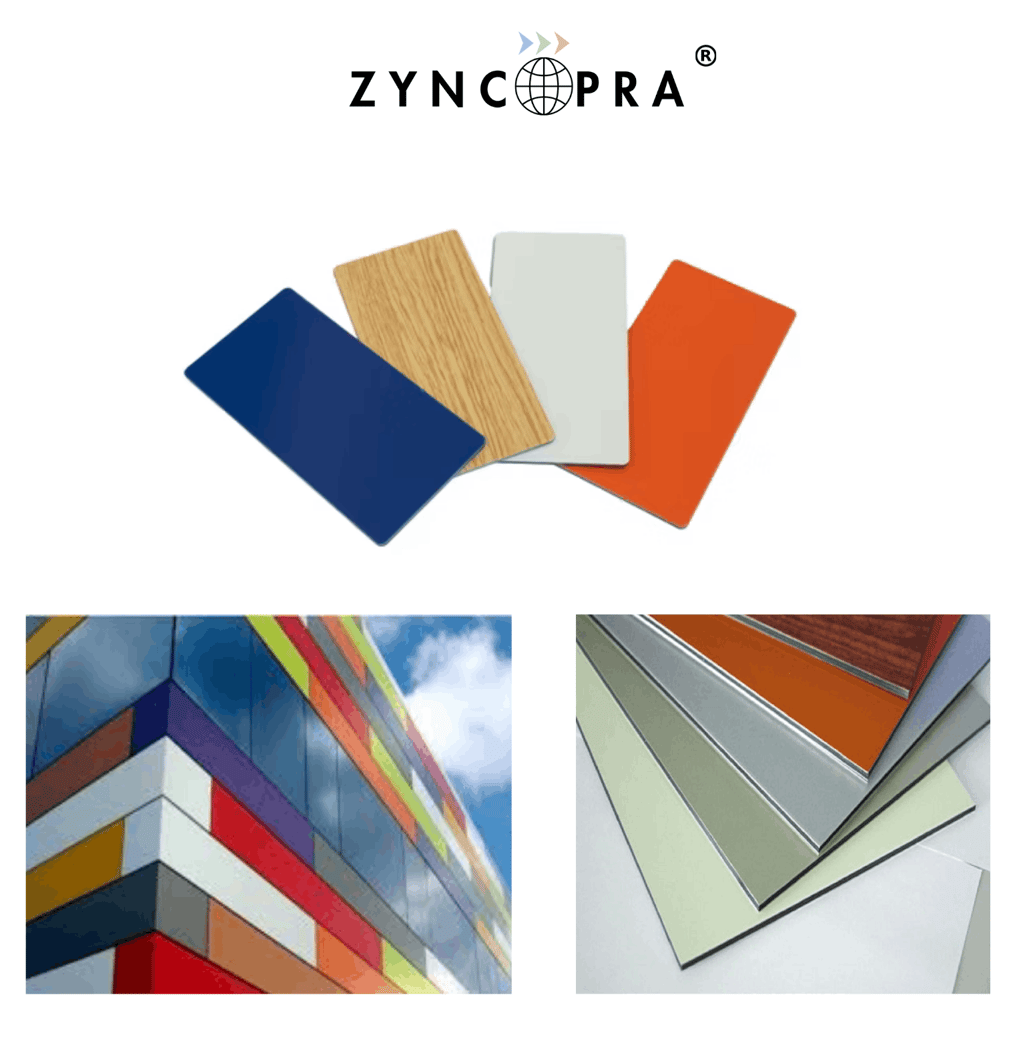
Aluminum Composite Panel (ACP) is a facade cladding material manufactured by bonding a mineral-filled or polyethylene-based core material between two aluminum sheets using advanced production technology.
A standard ACP panel consists of:
Top aluminum sheet
Protective coating system
Core filling material
Bottom aluminum sheet
This multi-layer structure provides excellent rigidity while keeping the panel lightweight, making it ideal for modern architectural applications.
What Is the Difference Between ACP and ACM?
In international construction and facade projects, the terms ACP and ACM are often used interchangeably.
In fact, every ACP product belongs to the broader ACM (Aluminum Composite Material) category.
ACP generally refers to the finished panel product itself.
ACM refers to the overall material classification.
The term ACM is particularly more common in projects across the United States and Europe, while ACP is widely used in commercial and architectural discussions worldwide.
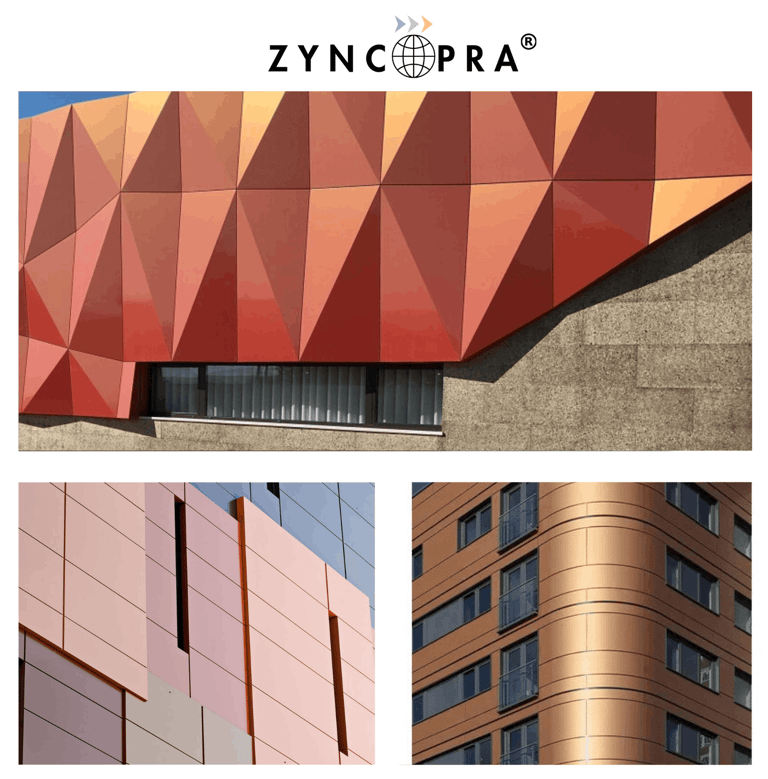
Where Are Aluminum Composite Panels Used?
Commercial Buildings
ACP systems create a modern and professional appearance for corporate headquarters, office towers, and business centers.
Hotel Projects
They are an essential component of architectural design in luxury hotels and hospitality developments.
Airports
ACP panels provide both aesthetic appeal and long-term durability across large facade surfaces.
Hospitals
They offer easy maintenance, hygiene-friendly surfaces, and a long service life.
Shopping Malls
ACP systems enable modern facade designs that reflect and enhance brand identity.
Industrial Facilities
They help manufacturing plants and factories achieve a clean, professional, and contemporary exterior appearance.
Interior Architectural Applications
Aluminum composite panels are also widely used in interior design projects, including:
Lobby cladding
Reception areas
Column coverings
Ceiling systems
Retail and store interior decorations
Their versatility, lightweight structure, and wide range of colors and finishes make ACP panels a preferred solution for both exterior and interior architectural applications.
Key Advantages of ACP Systems
Lightweight Structure
Aluminum Composite Panels are significantly lighter than natural stone, granite, or concrete cladding materials.
This can help reduce the load on the building structure and lower overall support system costs.
Excellent Flatness
ACP panels provide a smooth, uniform, and modern appearance across large facade surfaces.
Easy Fabrication and Processing
ACP panels can be easily:
Cut
CNC machined
Grooved
Bent
Fabricated into custom shapes
This flexibility makes them suitable for a wide range of architectural designs.
Weather Resistance
High-quality ACP panels can deliver excellent performance against:
UV radiation
Humidity
Rain
Snow
Temperature fluctuations
making them suitable for demanding outdoor environments.
Long Service Life
When manufactured with high-quality materials and advanced coating systems, ACP panels can maintain their appearance and performance for many years with minimal maintenance requirements.
Why Are Fire Ratings Critical for ACP Panels?
One of the most important considerations in facade projects is fire performance.
Today, in many countries, purchasing decisions are influenced not only by price but also by fire safety certifications and compliance requirements.
PE Core
PE Core panels contain a polyethylene-based core material.
They are typically used in applications with lower fire safety requirements and are often chosen for cost-sensitive projects.
FR (Fire Resistant)
FR panels feature a mineral-filled core that provides enhanced fire resistance compared to standard PE-core panels.
They are widely used in commercial and architectural projects where improved fire performance is required.
A2 Class
A2-rated ACP panels are designed for projects that require a higher level of fire safety in accordance with the EN 13501 fire classification standard.
These panels are frequently specified in projects across:
European Union countries
United Kingdom
United Arab Emirates
Saudi Arabia
Qatar
where fire safety regulations and building standards are particularly stringent.
As a result, selecting the appropriate fire-rated ACP panel is a critical factor in ensuring both regulatory compliance and long-term project safety.
Which ACP Panel Thickness Should You Choose?
One of the most common questions in ACP projects is selecting the appropriate panel thickness.
3 mm ACP
3 mm ACP panels are typically preferred for:
Interior applications
Signage systems
Decorative cladding solutions
They are commonly used in projects where structural load requirements are relatively low.
4 mm ACP
4 mm ACP panels are the most widely used option for:
Commercial facade projects
Hotels
Hospitals
Shopping malls
Due to their balance of strength, durability, and cost-effectiveness, they are considered the industry standard for many architectural applications.
5 mm ACP
5 mm ACP panels are generally specified for projects with special engineering requirements or unique design considerations.
The correct panel thickness should always be selected according to the project's technical specifications, performance requirements, and applicable building regulations.
Coating Systems: PVDF or Polyester?
One of the most important factors affecting ACP panel performance is the surface coating system.
Polyester Coating
Polyester coatings are commonly preferred for cost-effective applications and projects with lower performance requirements.
PVDF Coating
PVDF (Polyvinylidene Fluoride) is the most widely used high-performance coating system for exterior facade applications.
It offers significant advantages in terms of:
UV resistance
Color retention
Weather durability
Long-term aesthetic performance
For this reason, PVDF-coated ACP panels are frequently specified in commercial and architectural projects.
FEVE Coating
FEVE coatings are among the advanced coating technologies used in certain premium and high-end architectural projects.
They provide excellent weather resistance, gloss retention, and long-term color stability, making them a preferred choice for demanding facade applications.
Why Is Türkiye a Leading Source for ACP Supply?
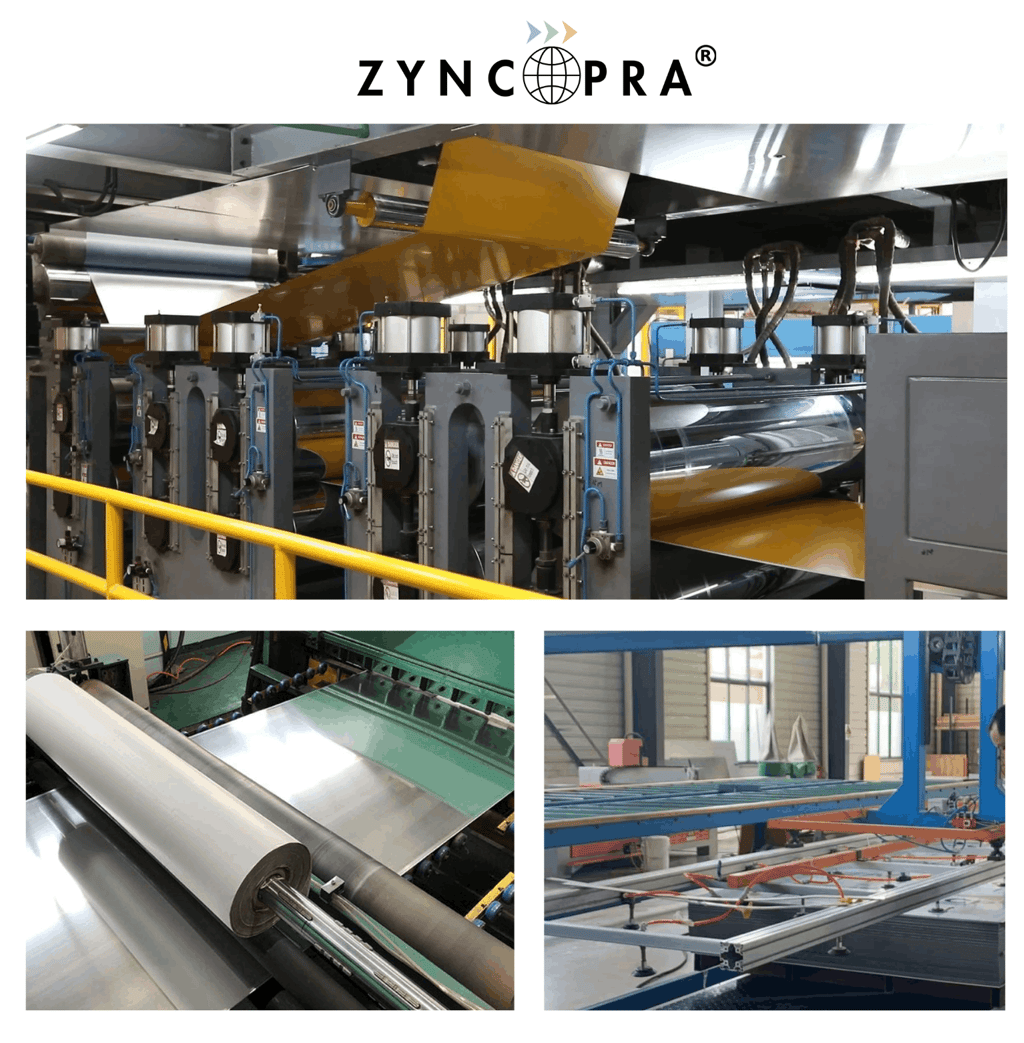
With its advanced industrial infrastructure and manufacturing capabilities that meet international standards, Türkiye has become an important production hub for the ACP industry.
Turkish manufacturers offer strong advantages in areas such as:
Custom size production
Wide range of RAL color options
Fire-rated and certified products
Short production lead times
Fast delivery to Europe and the Middle East
As a result, many international contractors, facade companies, architects, and project managers consider Türkiye a reliable sourcing destination for aluminum composite panel solutions.
ACP and Facade System Solutions with Zyncopra
Selecting the right ACP panel involves much more than simply purchasing a product.
Fire safety requirements, certification standards, architectural expectations, logistics planning, and manufacturer selection should all be carefully evaluated as part of the project.
At Zyncopra, we connect international projects with a network of reliable manufacturers across Türkiye, providing trusted sourcing support and technical coordination for aluminum composite panel and facade system projects.